ジャパンテクニカルゲーム(Japan Technicals Games)は、2018年に設立され香港を拠点に活動する今最も話題のオンラインカジノメーカーです。オンラインカジノゲーミング業界のほとんどは、日本のギャンブルにあまり興味を持っていないかもしれませんが、ジャパンテクニカルゲームズは日本のギャンブルメーカーの派手な演出や人々を興奮させる演出など世界のオンラインカジノゲーミング業界に取り入れることを目指しています。
ジャパンテクニカルゲーム(Japan Technicals Games)は、2018年に設立され香港を拠点に活動する今最も話題のオンラインカジノメーカーです。オンラインカジノゲーミング業界のほとんどは、日本のギャンブルにあまり興味を持っていないかもしれませんが、ジャパンテクニカルゲームズは日本のギャンブルメーカーの派手な演出や人々を興奮させる演出など世界のオンラインカジノゲーミング業界に取り入れることを目指しています。
JTGは世界市場で見ると小さいゲーミング会社かもしれませんが、現時点は日本で今最も話題のソフトウェア会社です。近い将来必ず世界中であっと言われる存在になること間違いなしです。
ジャパンテクニカルゲームズは、企業としての黎明期を迎えています。今の段階では市場へのリーチはまだまだ小規模なものになっていますが、彼らは今の勢いのまま世界中に自分たちのオリジナルを発表し認知を広げていく必要があります。さらに、JTGはゴールデンヒーローとの提携を行い、アジア圏だけにゲームを提供するのではなく、世界中にソフトウェアを普及させる手助けをしています。
中小企業がゲーミング業界に参入するときに一番苦労する部分は「ゲームの品質」「デザイン」「機能性」です。リリースする場所が、国内だけにとどまらずアジア、また世界となるとそのハードルはぐっとあがっていきます。
このため、質の高いゲームを制作する資金に困ったりするため、多くの企業が最初のハードルで失敗に陥ったり撤退を余儀なくされてしまします。
ですが、JTGのゲームやソフトウェアに触れてみると、上記で述べたゲームの品質、デザイン、機能性について何も問題がないことがわかります。
プレイヤーに楽しんでもらえるように最大限にテクノロジーを駆使し、ゲームが常に美しく見えるグラフィック、スムーズなアニメーション興奮させるサウンドトラック、すべてを見てもJTGのゲームは最高品質です。
JTGのゲームの品質は、世界中の有名な大手ソフトウェア会社と比べても「中小企業なのに何て素晴らしいクオリティなんだ」と称賛されています。このままJTGが高品質のゲームを作り続けることに成功した場合、全世界のソフトウェア業界で大きな前進を遂げその中にJTGが肩を並べる日もそう遠くないといわれています。
近年のテクノロジーのおかげで、モバイルデバイスが年々改良され、オンラインゲームをするプレイヤーは数年前はその殆どがパソコンを使用していましたが、今日、モバイルデバイスを使用する人が増加しています。
そのため、ゲーム業界のソフトウェア会社はこのモバイルデバイスでゲームをスムーズに楽しめるように改良することは非常に大切な要素になります。
JTGは現在、すべてのゲームをHTML5プラットドームで構築しているためモバイルデバイスでゲームをする際にわざわざダウンロードを必要とせずスムーズにゲームを実行できるよう設計されています。これもJTGが人気のひとつです。
ゲームを使用する際に、時々ラグが起こったりネット環境のせいで様々なトラブルが起きることも稀にありますがそれはJTGの問題ではなくプレイヤーが使用するネット環境の問題だったり、デバイスの問題なのでJTGの機能のせいではありません。
最適な環境でゲームがよりよく楽しめるようプレイヤーも様々なことに気を使わないといけない時代にないりましたがそれも、楽しむためには必要なステップだと考えます。
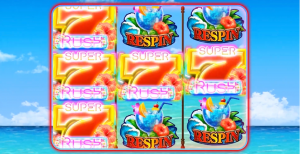
現時点でのジャパンテクニカルゲームズのスロットは基本的に3×3のリールの作りとなっており、このデザインが特徴的です。これらのスロットは、昔ながらのスロットのレイアウトと似ているということもあり、こういった部分も日本人向けのスロットであるということも言えます。
JTGのゲームには、フリースピン、ワイルド絵柄、スキャッター絵柄、ボーナスゲームなど様々な機能が搭載されており、非常にエキサイティングできるゲームとなっています。
またJTロットゲームは、RTP(還元率)が比較的に高くなっており、ボラティリティが高いことという特徴があります。これは定期的な配当が期待できることを意味しておGのスり、勝ちやすくなっているということです。
以下が、現在プレイできるJTGのゲームとなっています。
・Dreams of Gold(ドリームズオブゴールド)
・Dreams of Gold Delight(ドリームズオブゴールドディライト)
・Hawaiian Dream(ハワイアンドリーム)おいらんドリーム
・Hawaiian Dream Xmas(ハワイアンドリームクリスマス)
・花魁Dream(花魁ドリーム)
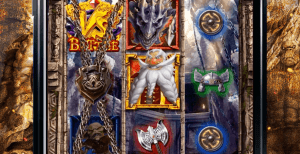
・Battle Dwarf(バトルドワーフ)
私たちがJTGを知ってから、このプロバイダー会社がオンラインカジノの将来を牽引してくれる会社であるということが明確に分かりました。彼らが魅力的なスロットを作り出すことができるという事実は、今後も彼らに大きな期待ができることを意味しています。
日本のゲームでも良くあるエキサイティングでグラフィックのきれいなゲームをスロットでもプレイしてみたい時には、上でも紹介したスロットを選択してみてはいかがでしょうか。