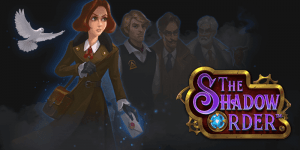
The Shadow Order(シャドウオーダー)は2019年5月にPush Gamingよりリリースされたスロットです。このスロットはUnibet(ユニベットカジノ)にて独占配信となっていましたが、その後2019年8月に多くのオンラインカジノでプレイできるようになり、様々なプレイヤーに遊ばれるようになりました。
ここからは、シャドウオーダースロットのレビューを始め、RTP、ゲーム性、ボーナスに関して紹介をしていくので、ぜひご覧ください。
The Shadow Order(シャドウオーダー)は2019年5月にPush Gamingよりリリースされたスロットです。このスロットはUnibet(ユニベットカジノ)にて独占配信となっていましたが、その後2019年8月に多くのオンラインカジノでプレイできるようになり、様々なプレイヤーに遊ばれるようになりました。
ここからは、シャドウオーダースロットのレビューを始め、RTP、ゲーム性、ボーナスに関して紹介をしていくので、ぜひご覧ください。
シャドウオーダーをプレイするには、まずはステーク(ベット額)を設定してから回転していく必要があります。画面下部にある上向きの矢印をクリックでステークを設定することが可能です。設定できるステークは最小で$0.1から最大で$100まで設定することができます。
あなたにプレイにあったステークを設定するようにしましょう。

オート機能を使うとコンスタントにプレイすることができるため時短でゲームを進めることができます。ステークを設定し、回したいスピン数を選択したら、あとは自動で回転し始めます。この機能を使うと快適にスロットをプレイすることが可能です!
RTPはペイアウト率の事でプレイヤーに還元される確率を表しています。オンラインカジノに限らずギャンブルをする人はより高いRTPを狙ってプレイすることが多いです。RTPが高い方がプレイヤーに帰ってくる資金が多く、RTPが低いほど負ける確率も高くなってしまいます。
シャドウオーダーのRTPは96.98%となっています。他のオンラインカジノスロットと比べてもRTPは高く設定されています。
シャドウオーダーを遊ぶプレイヤーの多くはボーナスやゲーム性が好きで回す方が多いです。シャドウオーダーをプレイすると分かりますが、リール上部に3つの異なるオーブがあります。このオーブはフリースピン(ボーナス)を解放するために重要な役割を果たします。
リール上で配当が発生するとシンボルは消えて上から新しいシンボルが落ちてきます。これが連続すると上からオーブが落ちてきてリール上に表示されます。このオーブはワイルドシンボルとして分売りされ、リール上にあるホットゾーンに到達するとオーブによってそれぞれの機能がトリガーします。
以上のような機能がそれぞれのオーブにはあります。
また、シャドウオーダーには4人のキャラクターがいて、プレイ中にそのプレイヤーが持っているボーナスを発生してくれる時があります。各キャラクターにつけられたボーナス機能が以下の通りです。
これらの2つの通常時のフィーチャーを発生させながら、フリースピン突入のチャンスを目指します。フリースピンは3つのオーブすべてがリール右下に達すると突入し、5回転のフリースピンを獲得。フリースピン中にリール上に落ちてきたオーブはリール上に残り、30倍までの配当がを獲得できます。
Push Gaming社のシャドウオーダーのスロットレビューとなりましたが、これまでのスロットとは違いオリジナリティの高いスロットであることに非常に感銘を受けました。RTPが高く、尚且つスロットの質が高いことがごく稀ですが、このスロットはどちらも備えているユニークなゲーム性になっています。シャドウオーダーはすべてのスロットプレイヤーが一度はプレイしてみるべきスロットと言えるでしょう。
